
Posts made by author 'Jake Brown'
Subscribe and receive email notifications of new blog posts.
 RSS Feed
- 2026 | 17 Posts
10
Ep. 001: We're Back!
TrophyCast Is Back — Here's What's Really Happening in the Land Market
TrophyCast just came back from a long break, and it's back with more voices at the table. Mike Meagher, Jason Wallingford, and Jake Brown sat down to catch up on everything that's changed in Midwest real estate over the last few years. No script, no fluff — just three guys who work in this market every day talking through what they're actually seeing.
Residential: It Depends Where You're Standing
Ask three agents how the housing market's doing and you might get three different answers, and that's basically what happened here. The read: there's no clean trend line up or down right now. It's sporadic, and it comes down to location and price point.
Entry-level and move-up housing under $500,000 in tight submarkets — St. Louis County, St. Charles County, Warren and Lincoln Counties — is still moving fast, with multiple showings and multiple offers when good inventory hits. The $500,000–$1 million range has been slower. But interestingly, the $1.5 million-plus segment picked up steam early this year, with listings that sat untouched all of last year finally going under contract in the first quarter.
The bigger shift is buyer behavior. Contingencies are back. Inspections are killing more deals than they used to. Buyers aren't panic-buying the way they were a few years ago — they're pickier, and they expect a house to actually be move-in ready.
One point worth remembering if you're pricing a listing: overshooting the number doesn't just cost you time, it can cost you the whole sale. List too high, and by the time you reduce, buyers assume something's wrong with the house. The list price is a marketing price — not a wish.
A New Development Worth Knowing About
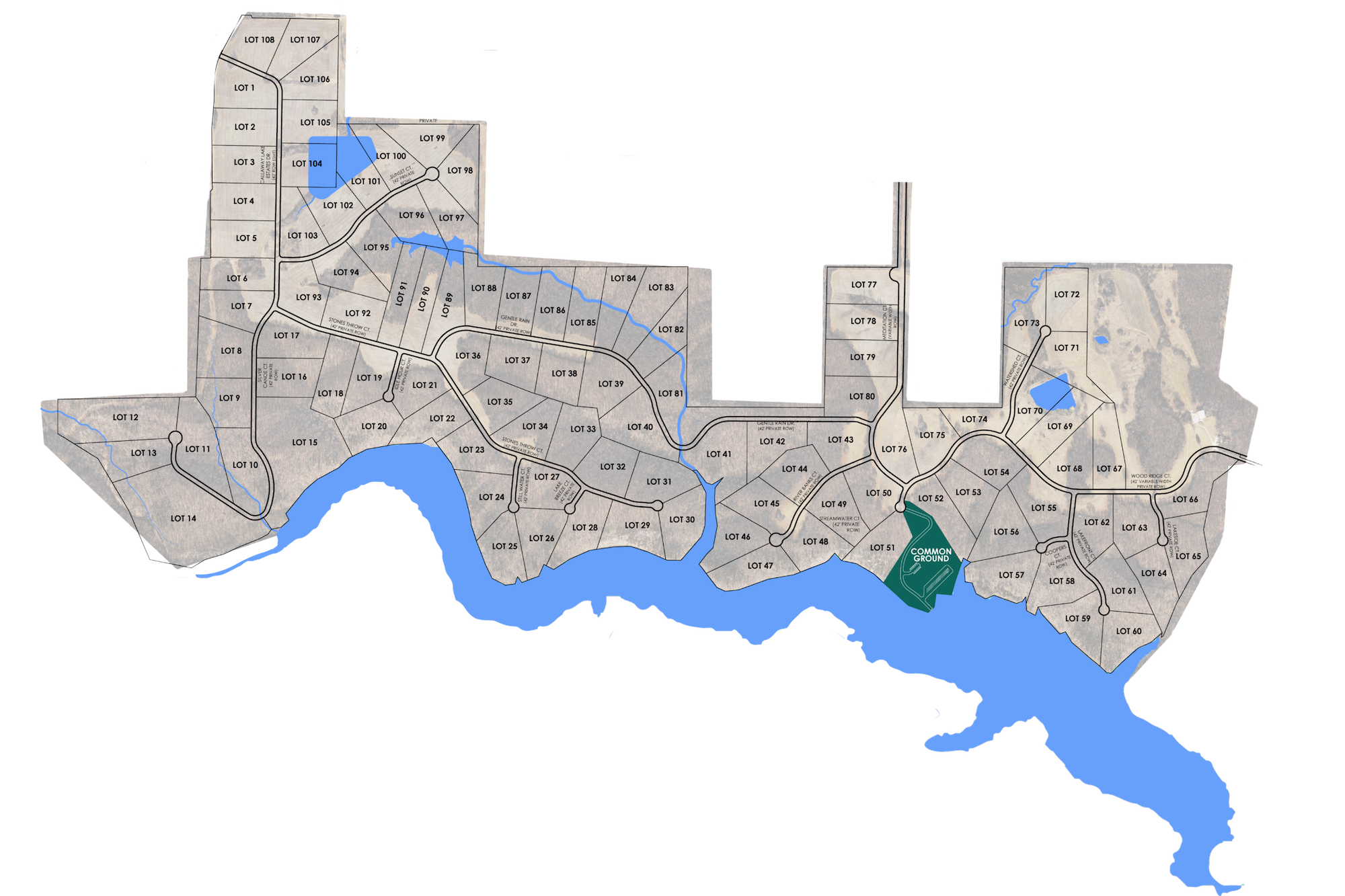
Callaway Lake Estates, a development offering 5 acre lots just outside Defiance/New Melle with lake access to a 170-acre private lake, came up as one to watch. It's the kind of property that feels remote — wooded, quiet, private marina, boat slips — but sits about 25–30 minutes from Chesterfield Valley. Waterfront and water-view lots have been moving, though plenty of buildable acreage remains.
The bigger question hanging over that whole corridor: data centers. Several are planned west of the metro, and nobody's fully sure yet what that means for property values or quality of life nearby. The honest answer from the team: reserve judgment until the first one actually goes in and everyone can see the real impact instead of guessing at it.
Farmland: Quality Still Wins, and the Auction Process Proves It
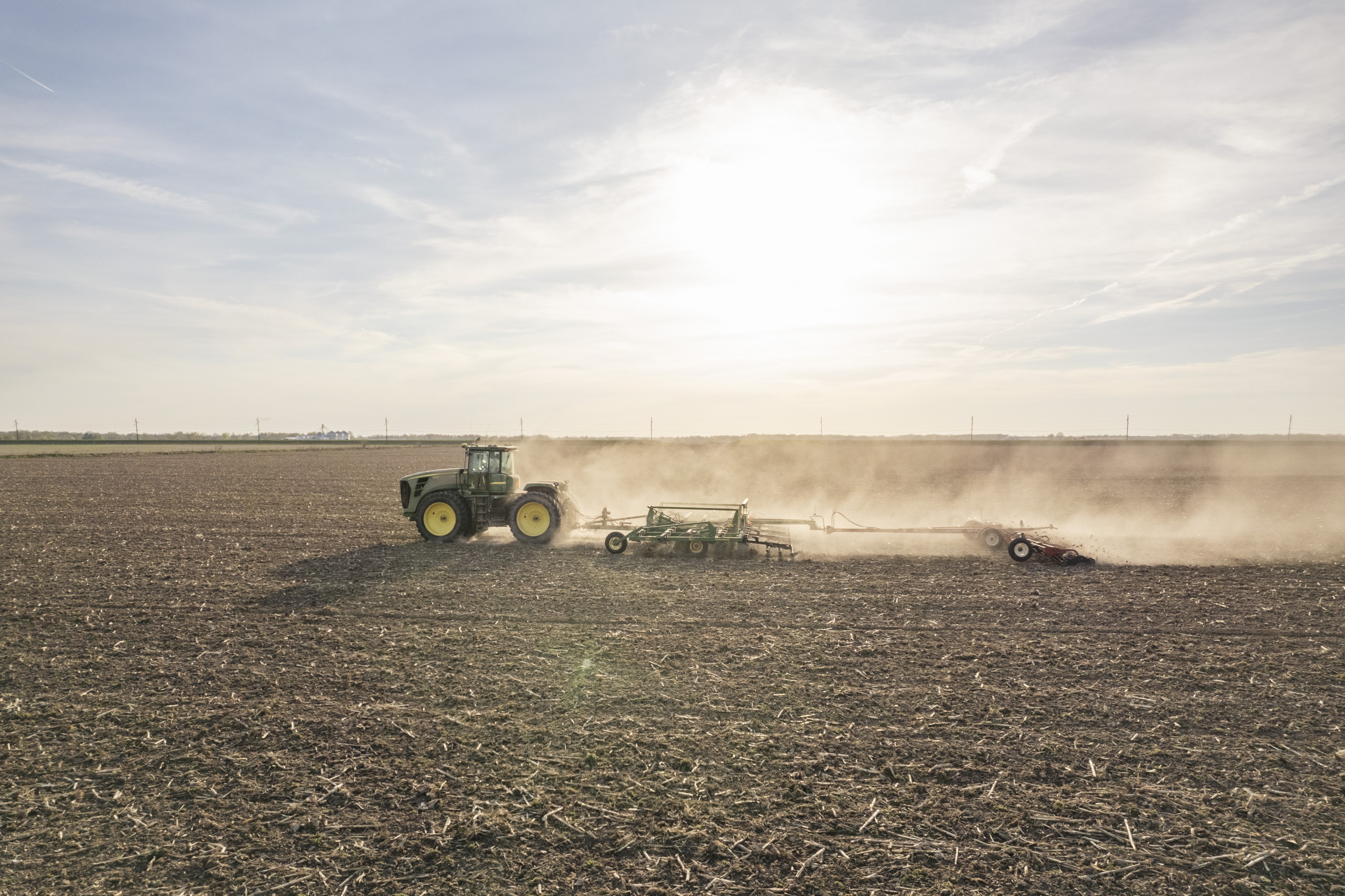
On the tillable side, Class A farmland is still bringing serious money. A recent auction in Clark County, Missouri, saw a highly productive tillable tract sell for $15,251 an acre after two neighbors got into a bidding war — a number that never would have shown up on a traditional listing at $15,000 flat.
Lower-quality ground with waterways, draws, and mixed cover is a different story. It's pulling back in price, mostly because it satisfies neither the farmer looking for tillable acres nor the hunter looking for prime habitat.
Pasture ground with tight fences and reliable water is holding strong too, driven by cattle prices that are about as high as anyone's seen. And buyer interest isn't just local anymore — more people are pulling money out of the stock market and parking it in income-producing land, treating it as the more consistent, tangible alternative to a market that everyone quietly suspects can't keep climbing forever. For what it's worth, the numbers back that instinct: farmland and the S&P 500 have delivered comparable long-term average returns, but land does it with a lot less volatility — and you can hunt it.
Auction vs. Listing: The Honest Version
Not every property fits an auction — especially when a seller's locked into one number. The properties that struggle at auction are usually the ones where the seller has already decided what it's worth, regardless of what the market says. The fix is setting realistic expectations up front, so that any surprise is a good one.
Here's the part sellers don't always think about: a strong offer with a fast, clean, cash close in 30 days is often worth more than chasing a slightly higher number through months of showings, negotiations, and contingencies. There's value in money, value in time, and value in convenience — and a lot of sellers underweight the second two.
The team was also candid about listings that go the traditional route and stall — start high, sit for months, then get chased down in price until it lands near where the auction reserve probably should've been in the first place. The difference: an auction compresses that whole process into a 30–45 day window and forces real competition, instead of letting the market slowly figure out the right number on its own.
What's Coming Up
TrophyCast is aiming to release new episodes every other week, with guests on estate planning, tax strategy, land management, and wildlife biology on deck. There's also a stack of live auctions running right now across Franklin, Ralls, Cedar, Howard, and Miller Counties, along with the quarterly Bundle Event — a flat $895 option built for smaller properties that don't need the full auction treatment.
Bottom line from this episode: the market hasn't fully picked a direction yet. It's not booming, it's not crashing — it's figuring itself out. But quality ground, priced honestly and marketed the right way, is still finding buyers fast.
Ep. 001: We're Back!
4
The Fight Happening on Your Land Right Now —And You're Probably Losing
Spend enough time walking properties across Missouri — Ozark timber tracts, river bottom ground, CRP-edge farms — and a pattern emerges. About fifty yards into any tree line, the experienced land manager starts doing a silent inventory. Not of the deer sign or the turkey scratching or the mast crop, they're seeing the bad stuff... The stuff that's quietly doing what invasive species do best: winning.
The honest truth that nobody in the conservation world says loudly enough: a landowner can have perfect habitat in mind, spend real money on food plots and mineral stations and stand placement, and still be managing a broken ecosystem — because Bush Honeysuckle has eaten the understory, or Multiflora Rose has turned fence lines into impassable walls, or Japanese Knotweed is growing where the creek used to produce mast. The invasives don't care about anyone's plans. They're on their own schedule....
21
Midwest Land Market Update: What Buyers Should Know in 2026
The Midwest land market doesn't behave like the stock market. It doesn't react to every headline or correct itself overnight. But it does move — and if you're buying or selling ground in 2026, understanding what's driving that movement matters more than people think.
At Trophy Properties and Auction, we work directly with landowners and buyers across the region. Every property tells its own story, but several trends are shaping values and driving buyer activity this year. Here's what you need to know.

Despite broader economic headwinds, land values across much of the Midwest have stayed resilient. The reasons aren't complicated:
5
Food Plot Prep 101: Why Soil Testing Is the Most Important Step You're Probably Skipping
A successful food plot doesn't start with the seed. It starts with what's beneath your feet. Most landowners who struggle with underperforming plots are quick to blame seed selection or planting timing. But in the majority of cases, the real issue is soil health — and it's entirely fixable. Here's what you need to know to get it right.
Start With a Soil Test — Every Time
A soil test is the single most important step in food plot preparation, and it's consistently the most skipped. For less than $20 through your local extension office, a basic test tells you:
- Soil pH — how acidic or alkaline your ground is
- Nutrient levels — nitrogen (N), phosphorus (P), and potassium (K)
26
From Field to Table: Jason Cleveland's Wild Turkey Parmesan
If you've spent a spring morning working a gobbler into range, you already know the first reward is the hunt. But if you ask Jason Cleveland, broker partner at Trophy Property and Auctions, the second reward might be even better.
"This is by far my family's favorite wild game recipe," Jason says. "Everybody I've ever made it for says the same thing." High praise—and after one bite of his wild turkey parmesan, it's easy to understand why.
Here's how he makes it.
Start with Good Cuts
The foundation of this dish is properly prepped turkey breast. Jason breaks down the breast ahead of time, trimming away any fascia or fat until he's left with clean, uniform cuts of meat. (He covers the full breakdown process in a separate video if you need a starting point.)